Thanksgiving Potluck
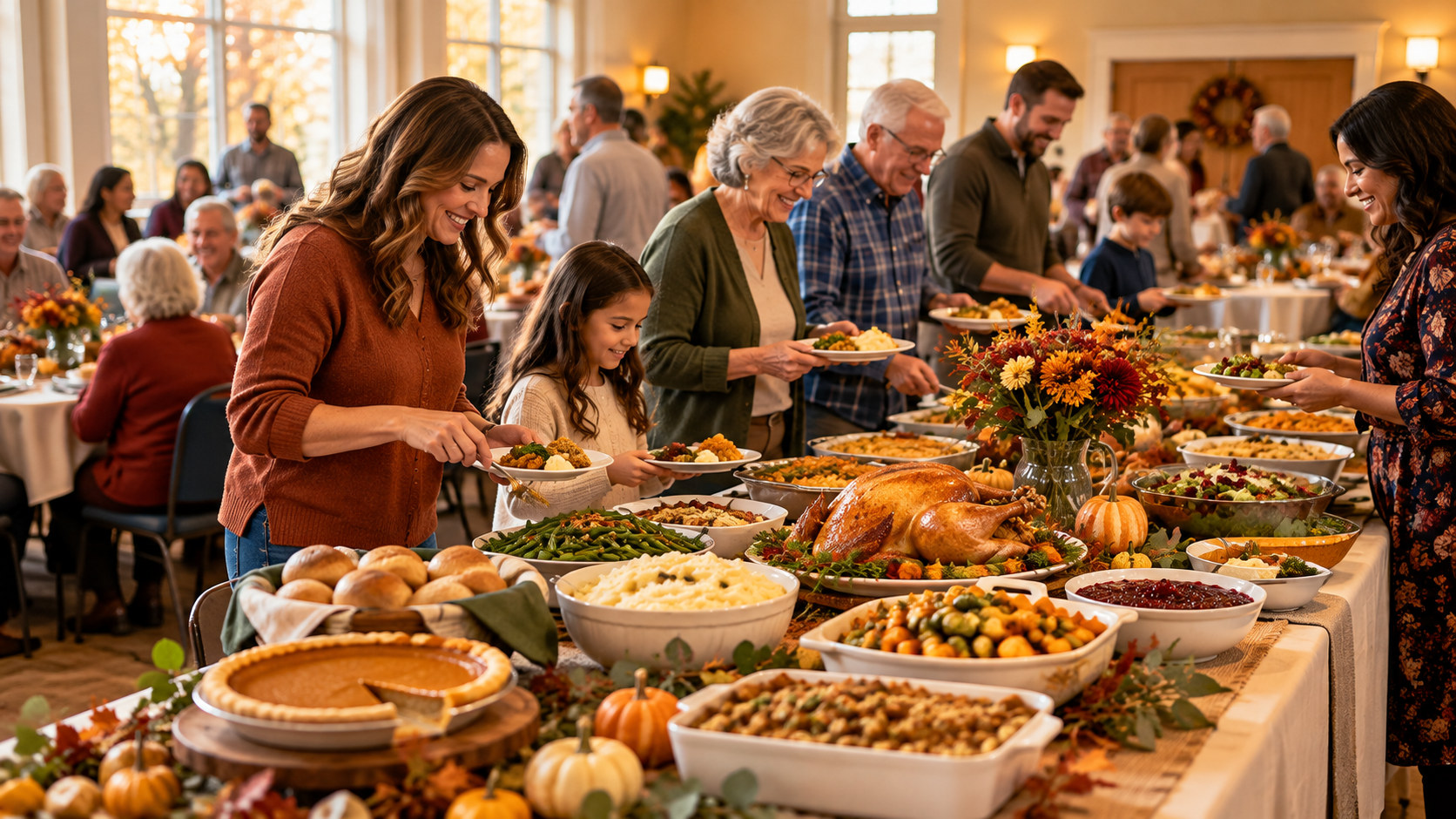
Thanksgiving has a way of bringing everyone to the table—and a way of putting an enormous amount of work on whoever is hosting. A potluck changes that. People can contribute something they enjoy making, and the host can spend more time welcoming guests instead of managing every dish alone.
Whether you’re planning a church fellowship meal, an extended-family Thanksgiving, a neighborhood dinner, or Friendsgiving, this guide will help you coordinate the food, share the work, and make the gathering feel inviting. You don’t need matching dishes, an enormous budget, or a perfect menu. You need a clear plan and people willing to help.
Affiliate disclosure: This article includes paid Amazon affiliate links in the shopping section. We may earn a commission if you purchase through them at no additional cost to you. As an Amazon Associate I earn from qualifying purchases.
Photography note: The featured image and shopping illustrations are AI-created gathering inspiration, not photographs of a meal we’ve hosted or of the exact items linked for sale. Always check the product details before buying.
Free planning resources
Start with a plan, not a pile of dishes.
Our existing two-page Potluck & Community Meal Checklist includes practical preparation steps and a dish-and-volunteer signup sheet. It’s free and doesn’t require an email address.
Download the free potluck checklist →Printable PDF · Two pages · No signup required
1. Decide what kind of Thanksgiving potluck you’re hosting
Start with the basics before asking anyone to bring food. Choose the date and time, confirm the location, and decide whether you’ll have a traditional sit-down meal, an open-house buffet, or a casual community supper. Each works, but they require different seating, serving, and cleanup arrangements.
Also choose a single point of contact. This person doesn’t have to do all the work—they just need to keep the guest list, dish signup, and volunteer assignments in one place.
- Know your space: Check tables, chairs, restrooms, accessibility, parking, and enough space for a serving line.
- Confirm kitchen capacity: Find out whether the venue has working ovens, refrigeration, sinks, and safe hot-holding equipment.
- Decide what’s provided: Will the host supply turkey, drinks, paper goods, and serving utensils? Or will every part of the meal be assigned?
- Keep expectations simple: Let guests know whether bringing a dish is optional. Guests should feel welcome even if they can’t contribute food.
2. Organize the menu before asking people to sign up
The quickest way to end up with six pumpkin pies and no vegetables is to ask everyone to bring whatever they want without a coordinated list. Instead, create food categories and let people select a slot.
| Signup category | Examples to consider | Ask the contributor |
|---|---|---|
| Main dishes | Turkey, ham, vegetarian main | How many servings? |
| Hearty sides | Potatoes, stuffing, casseroles | Hot-holding needs? |
| Vegetables & salads | Green beans, roasted vegetables, salads | Must it stay chilled? |
| Bread & extras | Rolls, cranberry sauce, butter | Serving utensils included? |
| Desserts | Pies, fruit, baked treats | Does it need refrigeration? |
| Beverages & supplies | Water, punch, cups, ice, napkins | Who handles setup and refill? |
Give each contributor a clear assignment, a requested number of servings, and an arrival time. Check whether their dish needs oven space, refrigeration, a crockpot, or an outlet. One clear signup list is much easier than dozens of separate text messages.
Consider every guest: Privately ask about dietary needs and encourage contributors to provide ingredient lists. Never promise that a shared buffet is allergy-free; cross-contact can occur even when dishes are labeled.
3. Estimate quantities by servings, not by casserole count
A dish in a large pan may serve fewer people than you’d think, depending on the recipe and the size of the portions. Rather than pretending every potluck has one perfect formula, ask contributors for a reasonable serving estimate for each dish. Then compare those estimates with your expected attendance and the choices available.
For example, if you’re expecting about 40 guests, don’t assume that four casseroles are automatically enough. Find out whether they yield eight portions or twenty, and make sure there’s sufficient main-dish coverage, along with enough variety for guests who can’t eat certain items. Adjust for children, appetite, the time of the meal, and whether guests are sampling multiple dishes.
4. Build a timeline that shares the work
Planning doesn’t have to take over the month. Give the organizer a few manageable checkpoints, and put the responsibilities beside a person’s name.
Confirm location, attendees, menu categories, invitations, and the lead organizer.
Review signup gaps, dietary communication, equipment, accessibility, and supplies.
Confirm contributors and volunteers, seating layout, food arrival times, and safe storage.
Set up stations, greet guests, monitor food temperatures, clear dishes, and divide cleanup.
5. Arrange the room for conversation, not just serving
Make the flow of the room obvious. Put a welcome point near the entrance; set plates and utensils at the start of the buffet; give people room to move; and, when possible, put the drink station somewhere else so it doesn’t block the food line.
Provide clear ingredient labels, extra serving utensils, a place to return used dishes, and bins for trash and recycling. A simple seating plan that leaves room for mobility devices and families with children makes a bigger difference than expensive decorations.
For Thanksgiving, consider one low centerpiece on each table—something guests can see over. A short arrangement, autumn branches, or a shallow bowl of small pumpkins can make the room feel warm without getting in the way of conversation. Our simple fall table setting guide has more ideas for creating a welcoming table with what you already own.
6. Keep food safe from arrival through leftovers
With food traveling from different kitchens and arriving at different times, food safety deserves a dedicated plan. Follow the food’s cooking and storage requirements and don’t count on a warm-looking buffet to be safe.
- Keep hot perishable food at 140°F or above and cold perishable food at 40°F or below. Use a food thermometer and equipment that can actually maintain those temperatures.
- Unless safely maintained hot or cold, discard perishable food after more than two hours at room temperature (or one hour when temperatures are above 90°F).
- Use smaller serving platters and replace them with freshly filled dishes instead of topping up food that’s been sitting out.
- Refrigerate leftovers promptly in shallow containers. Reheat leftovers to 165°F, checking with a food thermometer.
- Designate a volunteer to check serving temperatures, track time out of temperature control, and manage leftovers.
Food-safety references: FDA buffet guidance and USDA leftovers and food safety. Follow applicable event rules and current official guidance.
7. Make hospitality the part people remember
The best Thanksgiving potluck isn’t necessarily the one with the most food. It’s the one where people feel invited to participate and comfortable being themselves. Give guests the chance to contribute, but don’t require it. If someone comes alone, offer a friendly introduction without putting them on the spot.
For a church or community meal, it’s worth making space for neighbors and newcomers who may not know anyone. A gentle conversation starter—such as “What’s a food that reminds you of home?”—can open the door without turning the meal into a formal activity.
And when the room is cleared and the last container has found its owner, send a quick thank-you to the people who made the evening possible. That’s part of the gathering, too.
8. Use this final Thanksgiving potluck checklist
- Guest count, location, seating, and accessibility confirmed.
- One organized dish signup list, with estimated servings recorded.
- Main dishes, sides, vegetables, desserts, drinks, and supplies covered.
- Food contributors know arrival, transport, heating, and storage requirements.
- Ingredient labels, safe serving equipment, and a food-monitoring volunteer ready.
- Plates, cups, cutlery, napkins, water, ice, trash bags, and cleaning supplies on hand.
- Setup, welcome, buffet help, and cleanup divided among volunteers.
- Someone assigned to thank guests and collect feedback afterward.
Thoughtful hosting essentials
Shop only what your potluck needs
You can host a wonderful meal without buying a matching set of everything. But if you’re short on serving dishes or table supplies, these are related ideas to consider.
Affiliate disclosure: These are paid affiliate links. We may earn a commission at no additional cost to you.
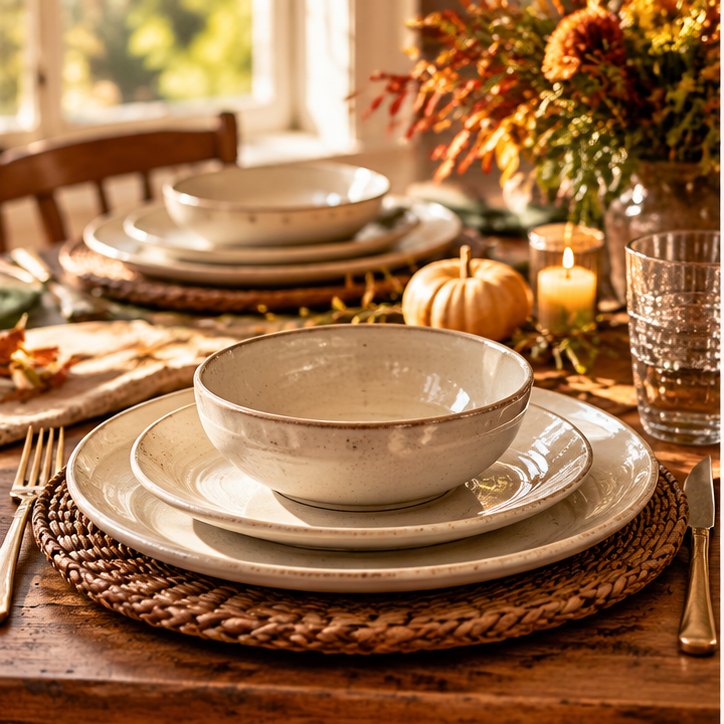
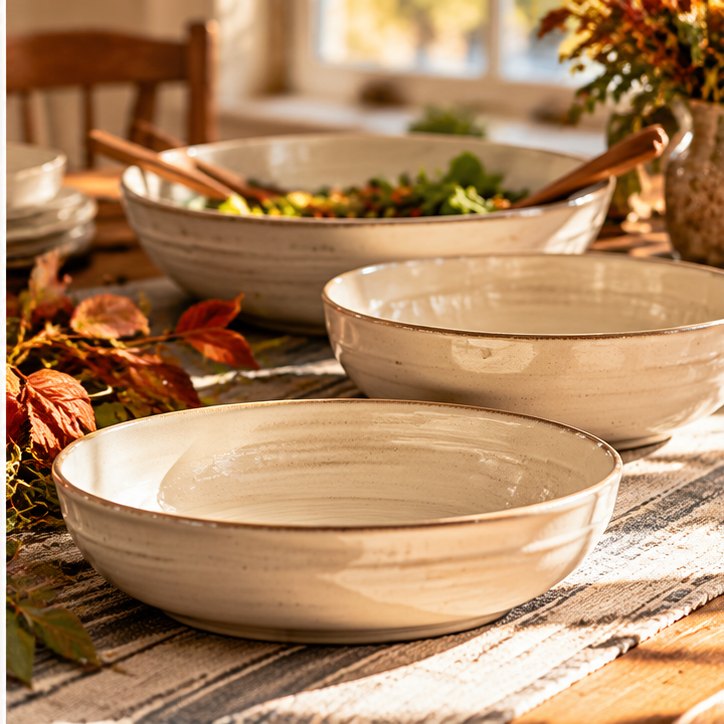
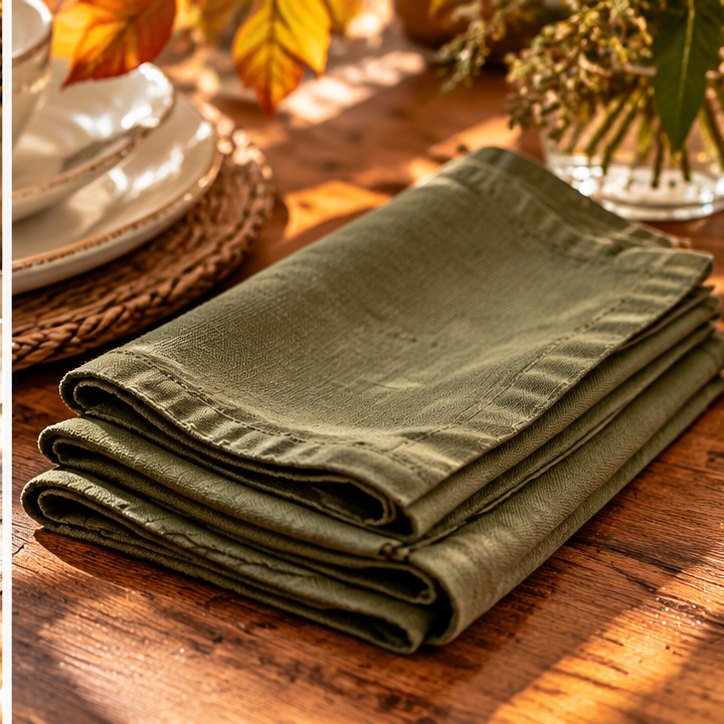
The styling pictures are AI illustrations, not photographs of the exact Amazon products. Check actual product photos, prices, materials, sizes, and availability before purchasing.
Keep the good part of gathering
Less scrambling. More time around the table.
Grab our free two-page planning worksheet, then explore practical ideas for welcoming people at a meal. We created GrubTogether to make it easier to bring people together—not to make hosting feel like another full-time job.
Get the free potluck checklist →Browse Holidays & Traditions → | Explore Potlucks & Community Meals →
The dishes don’t have to match. The table doesn’t have to be perfect. Let people share the work, make room for somebody new, and enjoy the meal together. That’s what Thanksgiving hospitality can look like.